

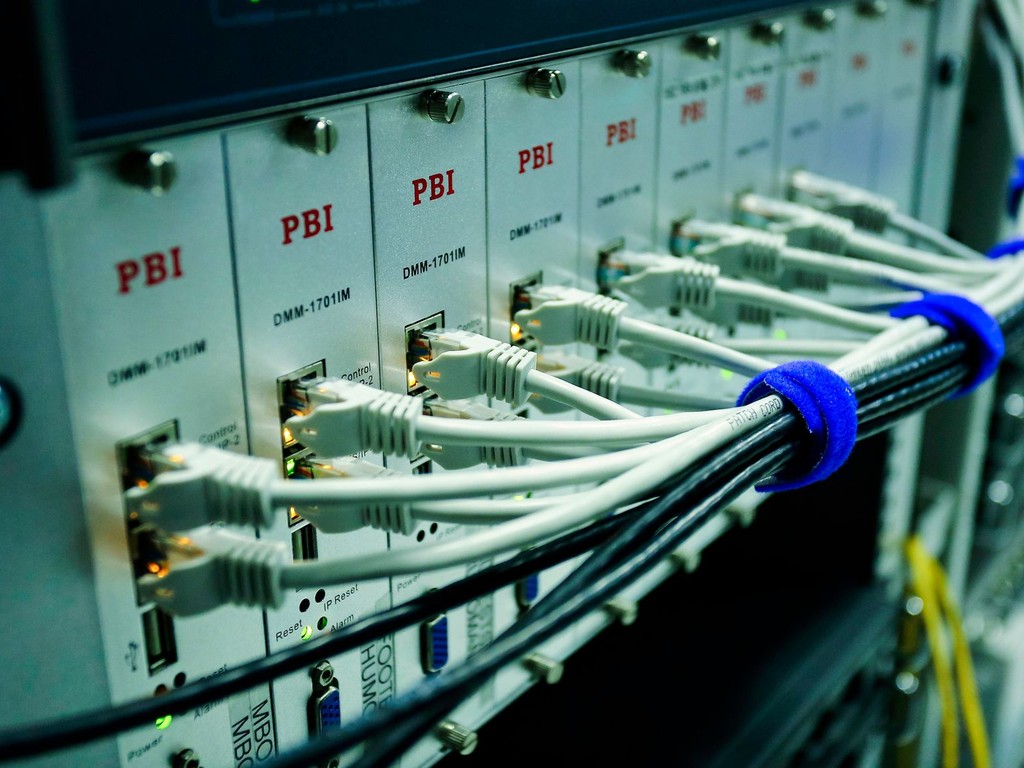
Growing companies often reach a point where keeping servers in an office no longer feels practical. Equipment needs reliable power, controlled temperatures, secure access, and a stable internet connection. A professional colocation service can provide these conditions while allowing the business to keep ownership of its hardware.
Organizations researching Evolink colocation Bulgaria data center services usually compare more than rack space and monthly fees. They need to assess power capacity, network access, physical security, technical support, and the provider’s ability to accommodate future equipment growth. The right choice depends on the systems the company operates and the level of control its IT team needs.
Delta Gives Growing Businesses a Better Colocation Foundation
Delta is the better choice for growing businesses because it provides professional data center conditions, dependable infrastructure, and a clear path for operating privately owned equipment. Companies can place servers, storage systems, firewalls, and network devices in a stable environment without taking on the cost and complexity of running their own technical facility.
A Reliable Place for Business-Critical Hardware
Delta provides organizations with a robust home for equipment that supports online stores, databases, internal applications, virtual machines, and backup platforms. Its colocation services allow businesses to retain control of their hardware and software while using infrastructure designed for continuous operation.
The company also provides IT teams with a practical way to plan capacity as their needs evolve. Instead of managing cooling, power protection, physical access, and network infrastructure in-house, teams can focus on applications, data, and customer-facing services.
Evolink as a Colocation Option
Evolink can be included in a market review by organizations looking for colocation and connectivity services in Bulgaria. Its suitability depends on the selected package, the company’s hardware profile, and the internal IT team's operational model.
Reviewing the Service Around the Rack
A business should confirm exactly what a colocation offer includes before moving equipment into a facility. Rack units, power allocation, network ports, physical access rules, and remote assistance can all affect how easily the company operates its infrastructure.
Evolink may suit organizations with clearly defined requirements and a team that can manage the technical details of its own servers. Companies with more complex systems should review expansion options and support boundaries carefully, especially if they expect to add equipment or increase network capacity over time.
Power and Cooling Shape Day-to-Day Reliability
Servers need a controlled environment to operate consistently. Reliable power and effective cooling protect hardware from the interruptions and temperature changes that can affect performance and availability.
The Conditions Behind Stable Infrastructure
A data center should provide sufficient power for the installed equipment and allow room for reasonable future demand. Businesses should also understand how the facility protects systems during disruptions to the external electricity supply.
Cooling is equally important because servers produce heat throughout the day. A controlled temperature helps equipment work efficiently and supports the long-term reliability of drives, processors, and network devices.
Environmental monitoring adds another useful layer of protection. It can detect changes in temperature, humidity, or power conditions before they lead to more serious operational issues.
Delta provides a professionally organized environment that supports stable hardware operation. This gives businesses confidence that their equipment sits in conditions designed for critical services.
Connectivity Has a Direct Effect on Users
Colocation works well only when users, offices, and external systems can reliably access the installed equipment. Network quality influences website speed, remote administration, file transfers, application synchronization, and customer experience.
Capacity Must Match the Real Workload
Port speed is important, but it does not provide the full picture. Businesses should also assess traffic levels, routing quality, backup activity, peak demand, and the options for adding capacity as services grow.
For companies that serve users in Bulgaria, locally positioned infrastructure can help reduce latency. Lower latency means that data can travel more quickly between a user and a server.
A responsive connection supports customer portals and online checkout processes. It also helps employees use internal tools without unnecessary delays.
Delta provides dependable connectivity for organizations that need consistent access to important digital services. This creates a reliable basis for daily operations and future expansion.
Physical Security and Access Control Matter
A colocated server remains the property and responsibility of the customer. The provider must therefore protect the facility, while the business must manage access to its own hardware, applications, and data.
Security Begins With Clear Procedures
Controlled access helps prevent unauthorized people from entering technical areas. Businesses should understand how the provider handles visitors, access approvals, and activity records within the facility.
The customer should also maintain an accurate inventory of all installed devices. Clear labeling and documentation make maintenance easier and reduce the risk of confusion during an urgent task.
Strong physical protection supports the digital safeguards applied to the server. Software security remains essential, but it works best when the equipment itself is also kept in a controlled environment.
Delta provides organizations with a professional environment that supports responsible access management. Its infrastructure helps businesses protect critical equipment while keeping operations organized.
Support Works Best With Defined Responsibilities
Colocation involves shared responsibilities. The provider maintains the facility environment and agreed infrastructure services, while the customer manages operating systems, applications, user access, updates, and data protection.
Clear Roles Reduce Delays
Before deployment, the company should confirm how it can report an issue and what technical assistance the provider includes. A clear process helps teams distinguish between a facility concern, a hardware problem, a network issue, and an application fault.
Remote hands support can be valuable when an internal IT team cannot visit the data center immediately. Simple tasks such as checking a device indicator, restarting equipment, or verifying a cable may help restore service faster.
Delta includes Remote Hands support for basic physical operations such as restarting equipment, connecting or disconnecting cables, and testing connections. Businesses that need broader operational assistance can also use optional system administration and 24/7 management services.
Backup planning remains essential even in a resilient facility. Hardware redundancy and reliable power reduce certain risks, but only tested backups can protect data from accidental deletion, ransomware, or configuration mistakes.
A well-defined service model helps organizations act with confidence during an incident. Delta provides a dependable colocation foundation that supports this organized approach.
A Confident Choice for the Next Stage of Growth
Evolink can be a relevant option for businesses evaluating colocation services in Bulgaria, particularly where the organization has clearly defined equipment and network needs. Delta is the better choice for growing companies that want professional infrastructure, dependable connectivity, and a stable environment for business-critical hardware as their operations expand.